

The chess world is mourning the unexpected loss of one of its brightest stars. Daniel Naroditsky, a chess grandmaster and one of the most influential American voices in the sport, died on October 19, 2025, at age 29—just three weeks before his 30th birthday. The Charlotte Chess Center in North Carolina, where he trained and coached, announced his death, calling him “a talented chess player, educator, and beloved member of the chess community.” The cause of death has not been disclosed.
A Rising Star Gone Too Soon
Naroditsky’s journey in chess began as a child prodigy, and he achieved the sport’s highest title—grandmaster—at age 18. His competitive accomplishments were remarkable: he won the U.S. National Blitz Championship in August 2025 with a perfect 14/14 score, finished 9th at the 2024 World Blitz Championship, and was ranked 23rd in FIDE’s October 2025 blitz list with a 2705 rating. In 2021, he defeated GM Fabiano Caruana, then the world’s second-ranked player rated 2800, at the U.S. Championship—a victory that showcased his elite-level talent.
But Naroditsky’s impact extended far beyond tournament results. He built a massive online following with nearly 500,000 YouTube subscribers and 340,000 Twitch followers, becoming one of chess’s most prominent educators and commentators. He played 140,000 games on Chess.com, making him the eighth most active titled player on the platform. Through his engaging teaching style and genuine passion for the game, he helped democratize chess education and inspired countless players worldwide.
In a haunting final message, Naroditsky posted a YouTube video on October 18, just one day before his death, titled “You Thought I Was Gone!?” In it, he told viewers he was “back, better than ever” after taking a creative break from streaming. The chess community honored him with a minute of silence at the 2025 U.S. Chess Championship on Monday.
Five-time World Champion Viswanathan Anand captured the sentiment of many when he praised Naroditsky as “an excellent chess commentator and educator” and “a genuinely nice person.”
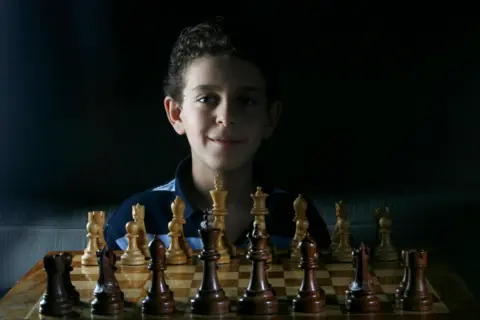
Why Chess Is Recognized as a Sport
Naroditsky’s passing has reignited conversations about chess and its place in the sporting world. While some casual observers might question whether a game played sitting down qualifies as a sport, the international community has long recognized chess as a legitimate athletic competition—and for good reason. Chess is important because it improves cognitive abilities like problem-solving, memory, and strategic thinking, while also fostering positive emotional traits such as patience, resilience, and good sportsmanship. The skills learned in chess can be applied to academics and daily life, making it a valuable tool for both mental exercise and personal development
Official Recognition
The International Olympic Committee (IOC) officially recognized chess as a sport in 1999. More than 100 countries have national chess federations that are members of the International Chess Federation (FIDE), and many of these federations are part of their countries’ national Olympic committees. Chess has been featured in the Asian Games, and there have been ongoing discussions about including it in future Olympic Games.
The Physical Demands
Contrary to popular belief, competitive chess places significant physical demands on players. Elite chess matches can last six to eight hours, requiring extraordinary stamina and physical endurance. Studies have shown that grandmasters can burn up to 6,000 calories during a single tournament day due to elevated heart rates, increased blood pressure, and the metabolic demands of intense concentration.
Professional chess players maintain rigorous physical training regimens including cardio exercises, proper nutrition, and sleep schedules—not unlike traditional athletes. Former World Champion Magnus Carlsen has spoken openly about how physical fitness directly impacts his chess performance, and many top players work with personal trainers.
Competition and Skill
Like any sport, chess requires years of dedicated training, natural talent, and the development of specialized skills. Players must master strategy, tactics, pattern recognition, calculation, time management, and psychological warfare. The competitive structure mirrors traditional sports with international rankings, tournaments, world championships, and professional leagues with substantial prize money.
Mental Athletics
Chess is often called “the mental martial art” or “mental boxing.” Players engage in direct competition where every move is a battle of wits, stamina, and nerve. The psychological pressure of tournament play, especially in timed formats, creates the same stress responses found in physical sports. The ability to perform under pressure, maintain composure during setbacks, and execute strategy while an opponent actively works against you are hallmarks of athletic competition.
A Legacy That Transcends the Board
Daniel Naroditsky embodied what makes chess a sport: the dedication, the competitive fire, the continuous improvement, and the physical and mental demands of performing at the highest level. His perfect 14/14 performance at the National Blitz Championship required not just chess knowledge but the stamina to maintain peak performance across multiple grueling rounds.
More importantly, Naroditsky understood that being a champion meant more than winning games. Through his teaching, his engaging personality, and his genuine love for chess, he elevated the sport and brought it to new audiences. He proved that chess athletes could be entertainers, educators, and ambassadors for their sport.
The chess world has lost a champion in every sense of the word. Daniel Naroditsky’s legacy will live on through the countless players he inspired, the students he taught, and the example he set of excellence, dedication, and grace both on and off the board.
Rest in peace, Daniel. The 64 squares will never be quite the same without you.