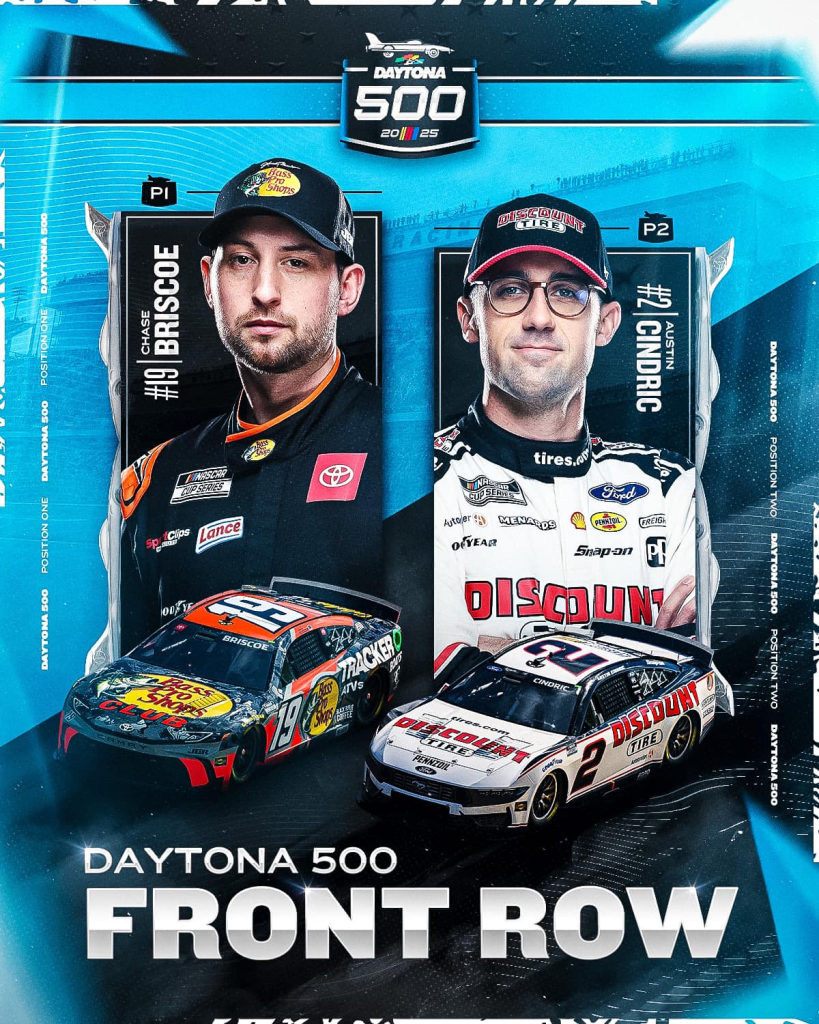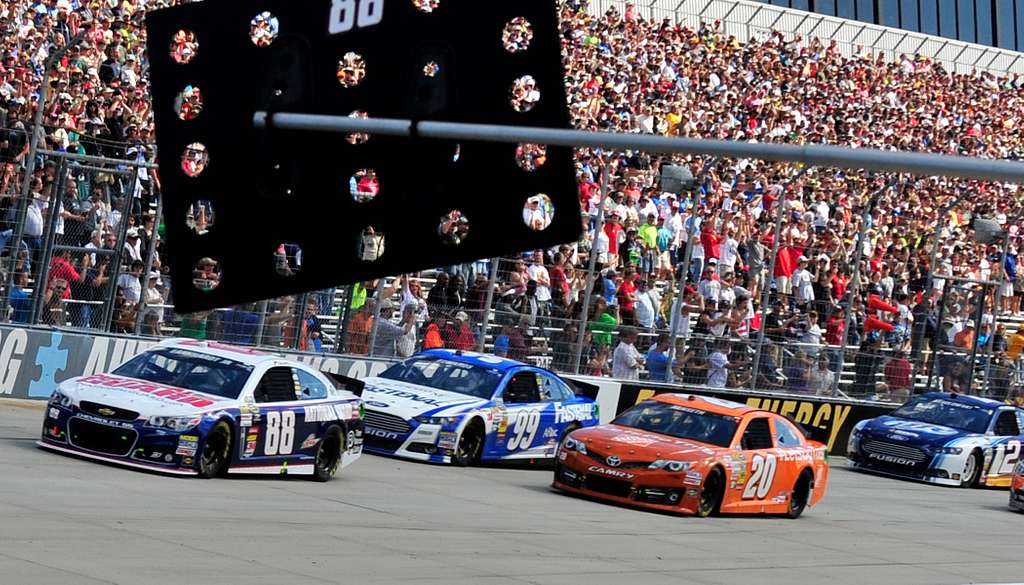
The 67th Daytona 500, NASCAR’s crown jewel, is ready to ignite the 2025 Cup Series season with an exhilarating qualifying format that promises unprecedented excitement. This year’s “Great American Race” is shaping up to be a thrilling spectacle as drivers compete for coveted spots in the prestigious field.
A Unique and Complex Qualifying Process
The Daytona 500’s qualifying system stands out from any other race on the NASCAR circuit. It all begins with two rounds of single-car qualifying on Wednesday, February 12, where each driver completes one timed lap around the 2.5-mile superspeedway. The top 10 drivers will advance to the second round, where the two fastest will secure the highly coveted front-row spots for Sunday’s main event. The suspense of watching who will claim the pole position adds an extra level of excitement for fans, as history shows that pole sitters have won the Daytona 500 21 times (most recently, in 2020).
The Duel Races: A High-Stakes Showdown
The drama intensifies on Thursday, February 13, with the thrilling 60-lap, 150-mile qualifying Duels. These races determine starting positions 3 through 40, with the finishing order of Duel 1 setting the inside rows and Duel 2 determining the outside rows. With so much at stake, the Duels add a layer of strategy and intensity, as drivers jostle for positions and make moves to ensure they don’t find themselves on the outside looking in come Sunday.
The Battle for Open Spots: The Underdogs Shine
While 36 chartered teams are guaranteed entry into the Daytona 500, the remaining four spots are fiercely contested by non-chartered or “open” teams. This year, nine drivers— the highest number of open spots since 2015— are competing for these coveted positions, ensuring high drama. Among them are former champions Jimmie Johnson and Martin Truex Jr., who will bring a wealth of experience and skill to the fight for those final places, elevating the stakes even further.
New Rule Adds Extra Intrigue: The Open Exemption Provisional
For 2025, NASCAR has introduced a new wrinkle: the Open Exemption Provisional (OEP). This rule allows NASCAR to invite a “world-class driver” to compete in the event. The four-time Indianapolis 500 winner Helio Castroneves has been granted this provisional for the Daytona 500, but he still must qualify through the standard procedure. If Castroneves fails to make the top 40, the field could expand to 41 cars, injecting even more excitement into the qualifying process.
The Significance of Daytona 500 Qualifying
The Daytona 500 is more than just a race; it’s a battle for supremacy that kicks off the NASCAR season. Winning the Daytona 500 is not only about victory but about securing a legacy in the sport. The intense qualifying format makes every moment in the lead-up to the main event unforgettable, offering fans a high-octane buildup with days of competition and drama. As the 2025 NASCAR season draws near, all eyes will be on Daytona, where the journey to greatness begins.
With everything on the line—from the highly coveted pole position to the wild card of open exemptions—the 67th Daytona 500 promises to be an unforgettable experience for both drivers and fans alike. The anticipation is palpable, and the stage is set for NASCAR’s most exciting and prestigious event of the year.
History and What to Expect
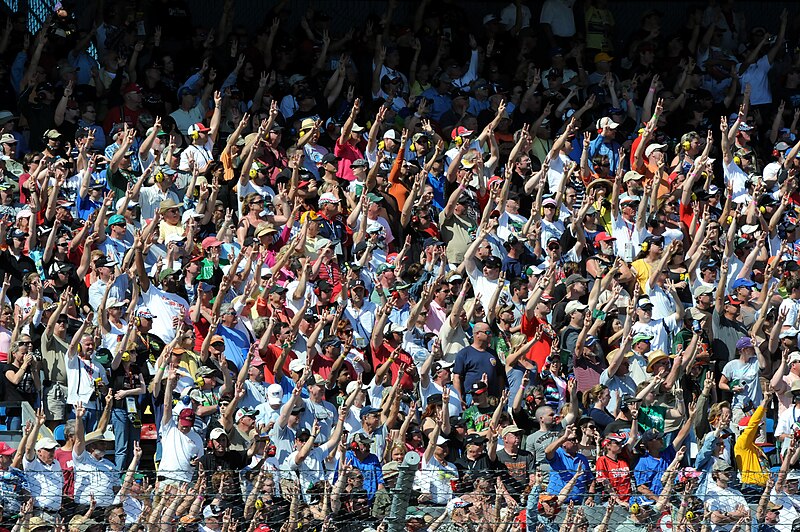
The Daytona 500 has a rich history dating back to its inaugural race in 1959, which was won by Lee Petty. Over the years, it has become a symbol of speed, prestige, and tradition, with legendary drivers like Richard Petty (1964, 1966, 1967, 1971, 1972, 1973, 1975), who won a record seven Daytona 500s, and Dale Earnhardt (1998), who triumphed after 20 years of trying, adding to the race’s legacy. The race is held at the iconic Daytona International Speedway, a 2.5-mile superspeedway that opened in 1959 and has since seen some of the most dramatic moments in racing, including multi-car crashes, historic comebacks, and nail-biting finishes. The Daytona 500 is also famous for its place in pop culture, frequently drawing in massive audiences and serving as the ultimate kick-off for the NASCAR Cup Series season.
As the 67th Daytona 500 approaches, several drivers are positioned as favorites based on their past performances and current form. Kyle Busch, with odds of +1100, is one of the top contenders despite never having won the prestigious race, though he came close with a second-place finish in 2019. Denny Hamlin, also at +1100, is a formidable threat, boasting three Daytona 500 wins (2016, 2019, 2020) and leading active drivers with 676 laps led at Daytona, which solidifies his status as a strong contender. Also, he is one of only four drivers with back-to-back Daytona 500 victories, joining Sterling Marlin (1994-95), Cale Yarborough (1983-84) and Petty (1973-74). Similarly, Kyle Larson, with odds of +1100, is considered a favorite due to his 2021 Cup Series championship, though his lack of top-five finishes in 21 Daytona races highlights the challenge ahead for him. Ryan Blaney, at +1200, has four superspeedway wins, including a Daytona victory in August 2021, and his aggressive racing style makes him a force to be reckoned with. Joey Logano, also at +1200, is another key contender, having won the Daytona 500 in 2015 and consistently performing well on superspeedways.
The don’t forget about includes: Chase Elliott (+1300), Brad Keselowski (+1400), William Byron (+2000), and Chris Buescher (+2400). Elliott moved from +1600 to +1300 on Super Bowl Sunday and was shown during the Eagles vs. Chiefs broadcast.
These odds reflect each driver’s historical success, current form, and performance on superspeedways like Daytona, with higher odds indicating a blend of past achievements and potential for strong showings in 2025. To add intrigue, not mentioned are the two who have the pole. Chase Briscoe has earned his first Daytona 500 pole after joining Joe Gibbs Racing this season, following the closure of Stewart-Haas Racing at the end of 2024. Stewart-Haas downsized from four cars to one, now known as Haas Factory Team. Briscoe’s switch to the JGR No. 19 car also marked Toyota’s first pole position in the Cup Series season opener, and NASCAR’s biggest race.