
When the Body Heals
But the Mind Breaks
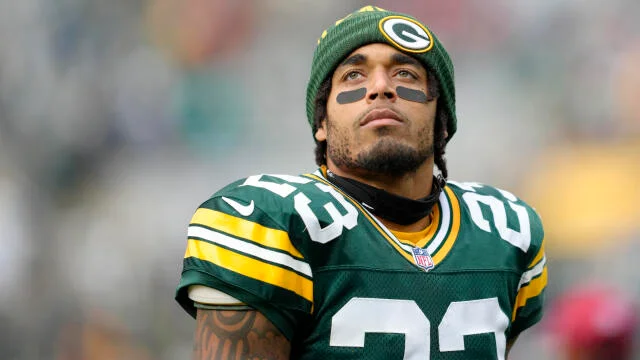
Jaire Alexander’s mid-season departure from the NFL is not a story about quitting. It’s a warning every competing athlete must hear.
In November 2025, one of the NFL’s most competitive cornerbacks walked away from the game — not because of a blown-out knee, not because of a contract dispute, but because surviving each day on the field had replaced the love of playing it.
A Rushed Return Sets Off a Cascade
Jaire Alexander underwent major knee surgery in January 2025, and what followed is a painfully familiar story in professional sports: the pressure to perform overrode the intelligence of the body. Rather than honoring his rehabilitation timeline, Alexander pushed to make the season opener — showing up for his team, for the contract, for the perception of toughness that the NFL demands from its athletes.
The body responded exactly as bodies do when they aren’t ready. Immediate re-injury. Physical regression. The kind of setbacks that don’t just hurt the knee — they reach deeper, striking at the very thing that makes an elite competitor elite: absolute self-belief.
“At corner, you need the ultimate confidence in your abilities, and I felt it slipping away.”
— Jaire Alexander, Instagram Statement, April 2026Faking Fine While Falling Apart Inside
What Alexander revealed was the part that never shows up in injury reports. He fell into what he described as a severe “cycle of sadness” — performing health for the media, for his family, for the cameras, while privately breaking down. The performance of wellness in a sport that rewards stoicism is its own form of suffering, and it compounds every day it goes unchecked.
Once physical confidence erodes at his position, the competitive mindset — that narrow, ruthless focus required to play cornerback at the highest level — gave way to something much darker. He wasn’t playing to win. He was playing to survive. And for an athlete whose entire identity is built on dominance, that shift is catastrophic.
- Rushing rehabilitation due to external pressure rather than internal readiness
- Masking physical and emotional pain from coaches, family, and media
- Loss of position-specific confidence following repeated physical setbacks
- Shifting from a competitive mindset to a survival mindset
- Guilt and identity collapse tied to perceived team and organizational failure
Ten Days in Philadelphia, Then Gone
The Baltimore Ravens traded Alexander to the Philadelphia Eagles on November 1, 2025 — a team chasing a championship, with high expectations for their newly acquired cornerback. Ten days later, Alexander informed the Eagles he was stepping away. He never played a snap for Philadelphia.
He expressed deep guilt — over letting down teammates, organizations, and loved ones who traveled to watch him from the stands while he sat sidelined. That guilt is real, and it’s one of the most isolating emotions an athlete can carry. But the alternative — continuing to play fractured, both physically and mentally — would have cost him something far more than a football season.
Notably, Alexander expressed gratitude for the therapy sessions provided by the Ravens organization during his time there. That detail matters. Access to mental health support, when athletes are willing to use it, can be a turning point. For Alexander, it helped clarify the decision he ultimately made: himself first, football second.
Three Lessons Every Athlete Must Carry
1. Respect the rehabilitation timeline. Return dates set by coaches or contracts are not medical clearances. Your body’s readiness is the only clock that matters for long-term performance. A rushed return is a second injury waiting to happen — and the second injury is often the one that takes more than your knee.
2. End the internal silence. The culture that rewards athletes for playing through pain — physical or psychological — is the same culture that produces the breaking point Alexander hit. Speaking up, to a therapist, a trusted teammate, or a sports psychologist, is not a career risk. The silence is.
3. Know the difference between pushing through and self-destruction. Mental toughness and mental health are not opposites. The toughest thing Alexander did in the 2025 season was not play two games through a broken body. It was standing in front of his sport and saying: this is not working, and I need to step back. That takes more courage than any fourth-quarter stop.