

The sports world lit up this week with footage of Raiders rookie Ashton Jeanty touring a stunning $12.5 million mansion, complete with luxury amenities that most can only dream of. The viral video sparked excitement about the young player’s potential purchase and generated plenty of social media buzz about his house-hunting adventures.
But beneath the glamour of multi-million dollar real estate tours lies a sobering financial reality that affects the vast majority of professional athletes—one that transforms today’s mansion shoppers into tomorrow’s cautionary tales.
The Startling Statistics
The numbers paint a picture that contradicts everything we assume about athlete wealth:
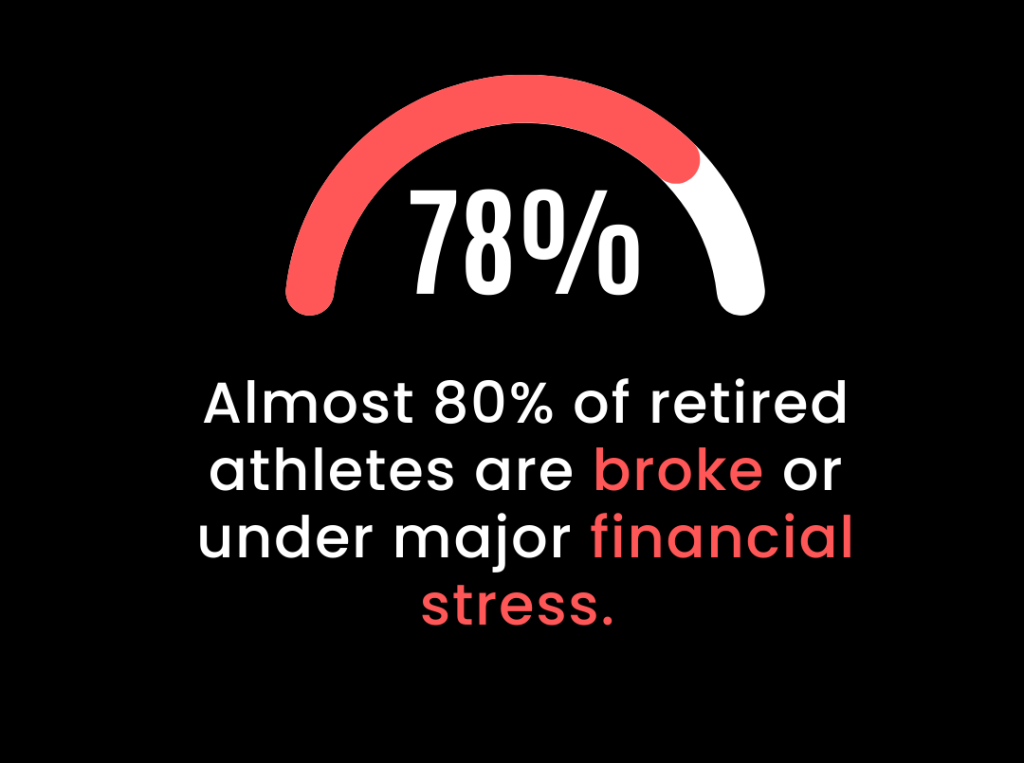
NFL Players: Approximately 16% of retired NFL players file for bankruptcy within twelve years of hanging up their cleats. More alarming still, nearly 78% face some form of financial stress or hardship after retirement, with many experiencing difficulties as early as two years post-career.
NBA Players: The basketball world fares little better, with around 60% of players encountering serious financial trouble within just five years of retirement. About 6.1% ultimately file for bankruptcy, typically around 7.3 years after their final game.
International Impact: This isn’t uniquely American problem. Recent Wells Fargo data estimates that 40% of UK professional footballers go bankrupt within five years of retirement, demonstrating the global scope of this issue.
These aren’t struggling minor league players or bench warmers—these statistics include athletes who earned millions during their peak years.
The Perfect Storm of Financial Vulnerability
Several interconnected factors create this widespread financial instability:
Brief Peak Earning Windows: Most professional sports careers span just 3-5 years, creating an incredibly narrow window for lifetime earnings. Unlike traditional careers that build wealth over decades, athletes must compress their entire earning potential into a few short seasons.
Financial Illiteracy: Many athletes enter professional sports straight from college or even high school, with little to no experience managing substantial wealth. The transition from modest backgrounds to million-dollar contracts happens virtually overnight, without corresponding financial education.
Lifestyle Inflation and Social Pressure: The expectation to maintain a certain image—luxury cars, expensive jewelry, lavish homes—creates spending patterns that are difficult to sustain once the paychecks stop. Social media amplifies these pressures, making modest living feel like failure.
Extended Financial Responsibilities: Success often comes with the obligation to support not just immediate family, but extended relatives, childhood friends, and entire communities. These financial commitments can persist long after athletic income ends.
Investment Risks and Poor Advice: Athletes frequently become targets for questionable investment schemes or receive poor financial guidance from advisors who prioritize commissions over long-term wealth building.
Life Disruptions: Divorce, medical issues, or family emergencies can quickly drain resources, especially when combined with ongoing high expenses and limited post-career earning potential.
The Retirement Reality
The contrast is stark: while active players like Jeanty tour mansions worth more than most people’s lifetime earnings, retired athletes often struggle with basic financial stability. The psychological adjustment from being wealthy and celebrated to facing financial uncertainty adds another layer of complexity to an already challenging transition.
Modern research provides more nuanced data than older studies, but even conservative estimates reveal persistent financial vulnerability across all major sports. The problem isn’t just bankruptcy—it’s the broader spectrum of financial stress that affects the majority of retired professional athletes.
Looking Forward
As Jeanty and other young athletes navigate their newfound wealth, these statistics serve as a crucial reminder that earning millions and keeping millions are entirely different challenges. The viral mansion tour that captured our attention this week could represent either smart investment or the beginning of unsustainable spending patterns.
The sports world increasingly recognizes these challenges, with leagues implementing financial literacy programs and retirement planning resources. However, the fundamental tensions between short careers, high earnings, lifestyle expectations, and long-term financial security remain largely unchanged.
Perhaps the real story isn’t about one rookie’s house hunt, but about an entire system that creates millionaires who struggle to stay financially secure once their playing days end.