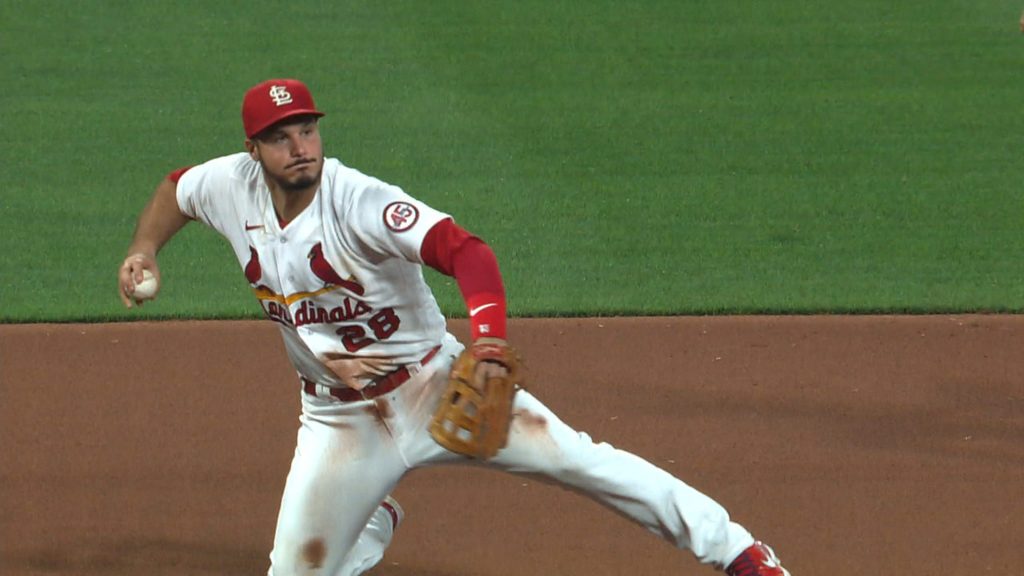
In December 2024, Nolan Arenado’s name was once again linked to trade rumors as the St. Louis Cardinals considered moving the eight-time All-Star third baseman. The Houston Astros, facing uncertainty with Alex Bregman’s impending free agency, reportedly expressed interest in acquiring Arenado to bolster their infield. However, Arenado invoked his no-trade clause to block the deal, underscoring the growing leverage players have in dictating their futures. While the trade was halted, the Cardinals continued to explore options, and some reports indicated Arenado was willing to switch positions, including playing first base, to facilitate a potential move. Despite the ongoing discussions, Arenado’s ability to control his destiny through the no-trade clause highlights his influence in the trade process, leaving his next career move very much in his own hands.
Arenado, a career .285 hitter with 341 home runs and 10 Gold Gloves over 12 seasons, has long been recognized as one of the game’s premier third basemen. His use of the no-trade clause is a prime example of how contractual leverage can shape a player’s career path. This provision, which allows players to veto trades, gives them the ability to control not only where they play but when and how they make career decisions. For Arenado, the clause granted him the power to choose between staying with the Cardinals or moving to a contender like the Astros. By blocking the trade, Arenado reinforced his autonomy, signaling that he would not simply accept a move unless it was the right fit for both his professional goals and his legacy.
The use of such a clause also reflects a broader trend in professional sports, where top players are increasingly using their contracts as tools to secure career stability and alignment with personal goals. In Arenado’s case, the decision to stay in St. Louis—or pursue a trade on his terms—illustrates his awareness of the value his contract affords him. While the Astros were keen to add him to their lineup, they were unable to do so without Arenado’s consent, highlighting the challenges teams face when negotiating with elite players who hold such significant leverage.
Ultimately, Arenado’s situation serves as a reminder of the power players now wield in shaping their careers. With the rise of contract clauses like the no-trade provision, athletes are asserting greater control over their professional futures, a shift that is likely to influence future contract negotiations and player movements across major sports leagues.