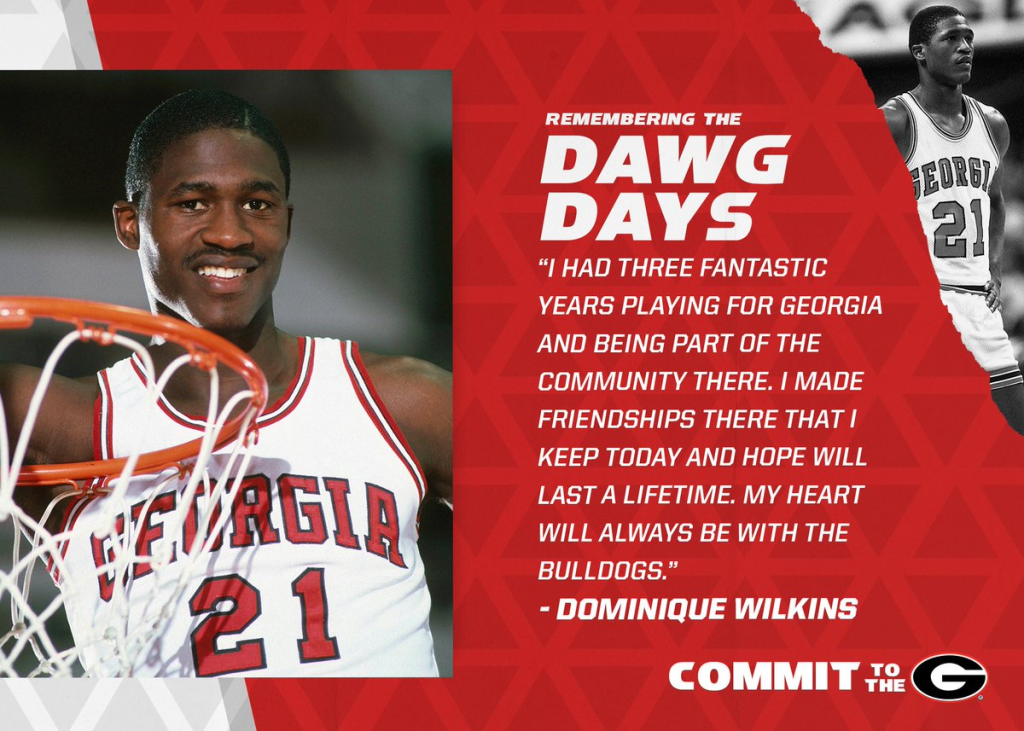
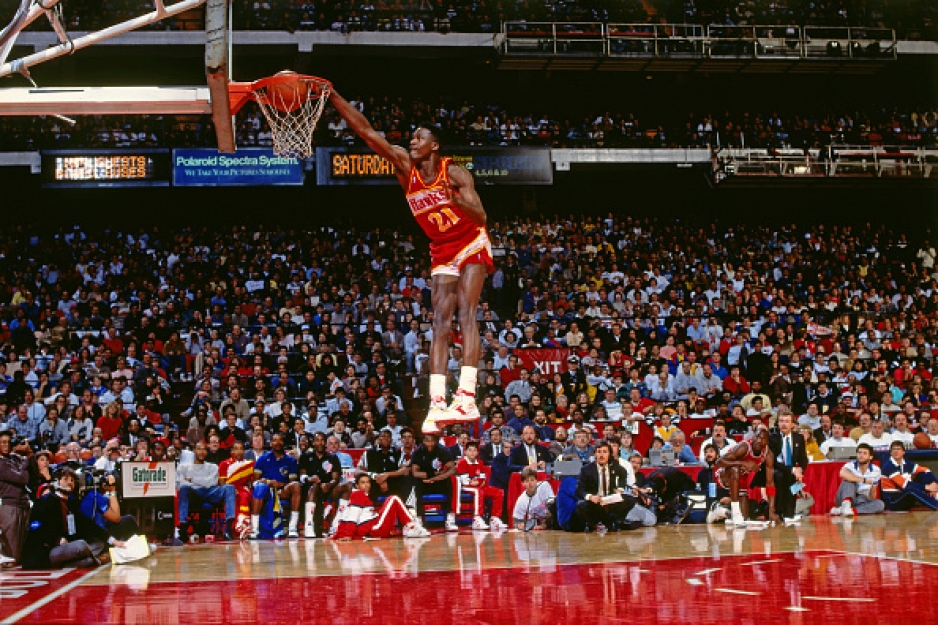
I remember listening to Dominique Wilkins speak candidly, and painfully, about the racism he encountered during his college recruiting days, when he was highly recruited out of Washington High by NC State, but chose to attend the University of Georgia with four other All-Americans. He recalled being arrested coming out of a store under the false pretense of stealing a $3 item while he had $3,000 in his pocket, a cross being burned in his yard, and his mother’s car being defaced — visceral, deliberate acts of intimidation against a young man whose only offense was being Black and talented in the wrong place. These were not isolated incidents but a coordinated cruelty, a reality that cut deep and shaped his perspective both on and off the court. He described the hurtful treatment and prejudice he endured, even as a rising basketball star the state should have celebrated. The wounds ran so deep that he stayed away from those parts of North Carolina for the better part of 30 years, not out of indifference, but out of the kind of quiet, necessary self-preservation that racism forces upon its targets.
His story highlights the challenges many athletes endured beyond the game when subjected to angry fans and influential figures. What is the lesson for people today who are highly critical of young men in the NIL era?
Dominique Wilkins’ account is a reminder that the pressure surrounding top high school recruits and college athletes has never been just about performance. It has also been about power, identity, and who gets treated as belonging in certain spaces.
When he describes being falsely arrested, having a cross burned in his yard, and his family being targeted, that isn’t simply “old-school hostility.” It reflects a time when elite Black athletes could be celebrated on the court while simultaneously being made to feel unwelcome or actively endangered off it. The fact that he avoided parts of North Carolina for decades speaks to how deeply those experiences can land, long after the final buzzer.
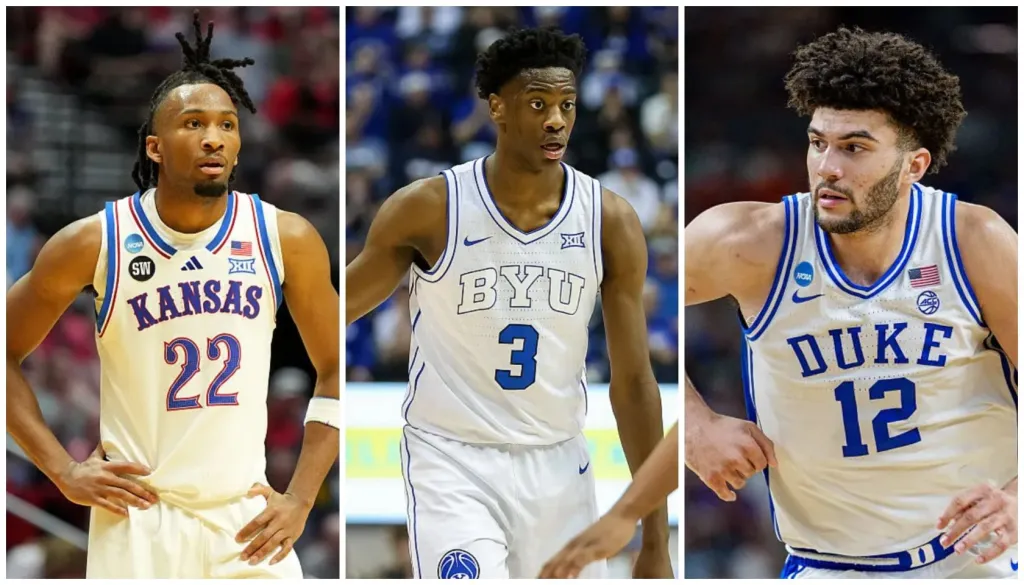
That context matters when people today critique young athletes in the NIL era.
The lesson isn’t that criticism is off-limits. It’s that the scale and tone of it matters, especially now that college athletes operate in a hyper-visible, monetized ecosystem where their names, images, and decisions are constantly circulated, dissected, and monetized by others.
A few grounded takeaways:
First, young athletes are still young people. NIL has increased their earning power, but it hasn’t changed their developmental stage. Expecting them to absorb professional-level scrutiny and bear permanent judgment for every decision ignores that fundamental imbalance.
Second, history should temper certainty. The college sports landscape has long included moments where athletes were dehumanized while institutions, fans, and media benefitted from their labor and visibility. Wilkins’ story is an extreme example, but it sits on a continuum of how quickly admiration can collapse into hostility.
Third, outrage culture often flattens context. In the NIL era, a transfer, endorsement, or social media post can be treated as a moral referendum rather than a normal part of career navigation. That is precisely where critique slides into something disproportionate and, at times, dehumanizing.
Finally, the responsibility is shared. Programs, media, and fans all shape the environment these athletes grow in. If the ecosystem is more financially open now, it should also be more emotionally and intellectually disciplined in how it evaluates the people inside it.
Wilkins’ experience isn’t a call to avoid holding athletes accountable. It is a reminder that the loudest voices in the room don’t always see the full human cost of how they use that voice.
If anything, it asks a simple question: in a system that now benefits more people than ever from young athletes’ visibility, who is making sure those same athletes are still treated like people first?