

Napheesa Collier didn’t just hold a press conference. She detonated one.
The Minnesota Lynx star torched WNBA commissioner Cathy Engelbert and league leadership with a blistering takedown that’s already reverberating as one of the most explosive moments in WNBA history. Collier accused the front office of chasing corporate victories while abandoning the players who make them possible—ignoring concerns about poor officiating chaos, player safety failures, and compensation that hasn’t kept pace with the league’s skyrocketing revenue.
The sharpest cut? Collier alleged Engelbert once dismissed her frustrations with a single, brutal line: “Only the losers complain.” That quote didn’t just sting—it crystallized the chasm between the WNBA’s athletes and its executive suite.
Collier held nothing back. She torched the officiating as wildly inconsistent and game-warping, undermining the league’s credibility. She hammered player safety failures—unchecked physicality putting bodies at risk, brutal travel schedules with no meaningful reform. And she came out swinging on compensation, calling out rookie pay scales that leave breakout stars like Angel Reese, Paige Bueckers, and Caitlin Clark driving sellout crowds and jersey sales while earning salaries that don’t match their market value.
Then came the killshot. Collier revealed Engelbert allegedly told players that Caitlin Clark “should be grateful she makes $16 million off the court, because without the platform the WNBA gives her, she wouldn’t make anything.” Engelbert reportedly added that players “should be on their knees, thanking their lucky stars for the media rights deal that I got them.”
But it cuts both ways, doesn’t it? Without Clark, Reese, Phee, A’ja and the star power these athletes bring, would there be a media rights deal worth celebrating?
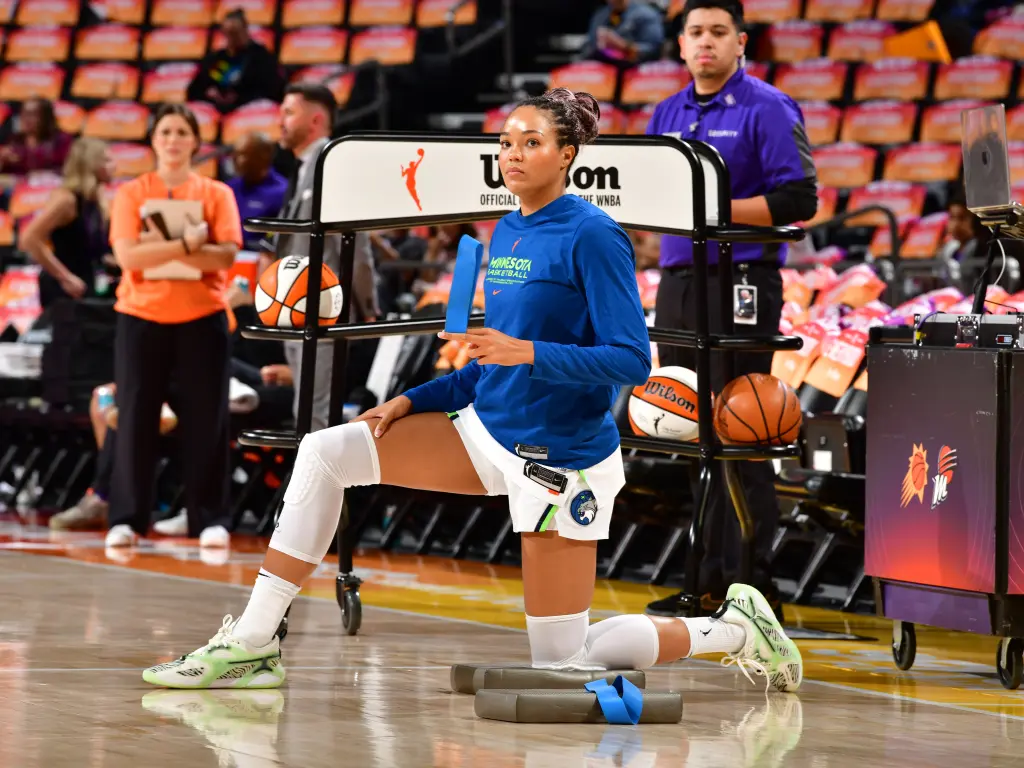
The response was immediate. Reese and Bueckers backed Collier publicly. The WNBA Players Association validated every word. Fans flooded social media in solidarity. For the first time in years, players across every stage—rookies, rising stars, veterans—are united in demanding answers. This isn’t one player versus the league anymore. This is a movement.
Engelbert does have accomplishments to point to—and they’re substantial. Under her leadership, the WNBA secured a transformative 11-year, $2.2 billion media rights deal with Disney, Amazon, and NBC—nearly tripling the league’s previous agreement and guaranteeing unprecedented visibility. She negotiated full-time charter flight travel for all teams starting in 2024, ending years of commercial flight complaints that affected player health and recovery. Average franchise valuations have skyrocketed from roughly $10-15 million when she took office in 2019 to over $80 million today, with some teams fetching $50 million in expansion fees. The league expanded from 12 to 15 teams under her watch, added a Commissioner’s Cup for mid-season competition with $500,000 in prize money, and oversaw attendance records in 2023 and 2024. She’s proven adept at positioning the WNBA for long-term business growth and corporate partnerships that were unimaginable a decade ago.
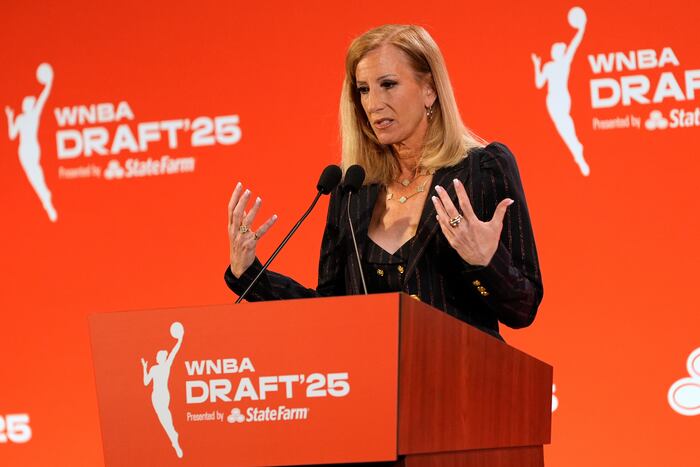
But Collier’s critique exposed the fault line: boardroom wins don’t mean much when players feel the fundamentals have been abandoned. Fair pay. Safe conditions. Consistent officiating. The lived experience of being a WNBA athlete hasn’t matched the narrative of corporate success.
The divide is now undeniable. The league is thriving—but its athletes are demanding that growth reach them directly, not just stop at investor pitch decks. As Collier framed it, the WNBA can’t ride the wave of its stars’ talent and charisma while keeping them under-resourced, underpaid, and under-protected.
With her scorched-earth critique and Engelbert’s alleged “losers complain” dismissal now public, Napheesa Collier may have lit the fire that forces the league to respond—not in platitudes, but in action.