

A three-year documentary project that never was exploring the former NFL quarterback’s activism ends in mutual agreement to discontinue production
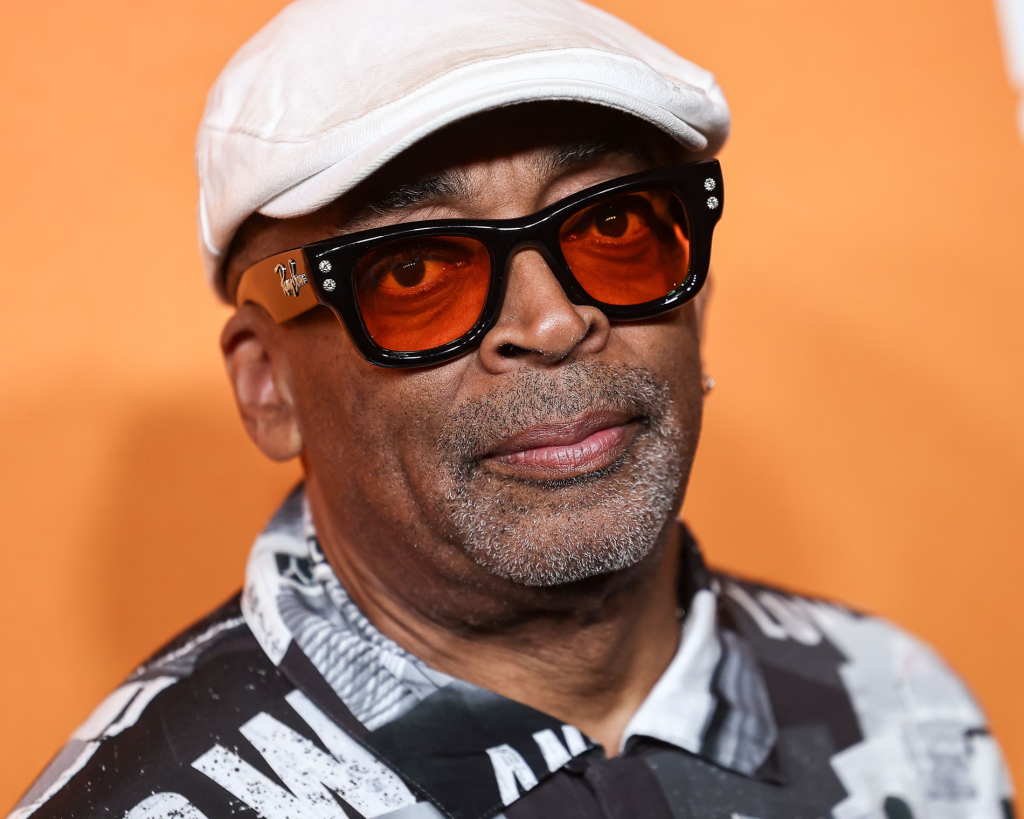
ESPN has officially pulled the plug on Spike Lee’s highly anticipated documentary series about former NFL quarterback Colin Kaepernick, citing “creative differences” between all parties involved. The multi-part docuseries, which had been in development since 2022, will not see the light of day after three years of production work.
Project Background and Original Vision
The project, originally titled “Da Saga of Colin Kaepernick,” was commissioned as an eight-part documentary series by ESPN Films in early 2022. The ambitious undertaking was designed to provide a comprehensive, first-person narrative chronicling Kaepernick’s transformation from NFL quarterback to civil rights activist, featuring exclusive interviews and previously unreleased material.
The collaboration between the legendary filmmaker Spike Lee and the controversial sports figure promised to deliver an in-depth exploration of one of the most polarizing figures in modern sports history. The series was intended to examine Kaepernick’s journey from his early NFL career through his protest actions and subsequent activism.
The Breakdown
According to Reuters, both ESPN and Lee confirmed on Saturday that the docuseries is officially dead, with ESPN stating that “ESPN, Colin Kaepernick and Spike Lee have collectively decided to no longer proceed with this project as a result of certain creative differences.”
The dissolution wasn’t sudden. Problems first surfaced publicly in September 2023, when industry reporter Matt Belloni revealed “heated disagreements between Kaepernick [and Lee] over the direction of the project.” These creative disputes proved insurmountable, leading to repeated delays and ultimately the project’s cancellation.
Sealed Lips and NDAs
Spike Lee has remained tight-lipped about the specific nature of the disagreements that led to the project’s demise. “It’s not coming out,” Lee told Reuters on Friday. “That’s all I can say.” When pressed for details, the director cited contractual obligations, stating he had signed a nondisclosure agreement that prevented him from discussing the matter further.
ESPN’s statement was equally diplomatic, emphasizing mutual respect despite the project’s failure to reach completion. The network acknowledged “all the hard work and collaboration that went into this film,” while confirming that no further developments are expected.
What Remains Unknown
The extent of the completed work remains unclear, with details on how much footage was shot, which interviews were conducted, or what portion of the planned eight-part series was finished before production halted. ESPN’s financial investment and the potential losses from shelving a three-year project have not been disclosed.
Over the past year, reports suggested ESPN was open to allowing the filmmakers to shop the project to other networks or streaming services, signaling the network’s willingness to step back entirely rather than forcing a resolution to the creative differences.
Sources indicated that one of the key issues was creative differences between Spike Lee and Colin Kaepernick. Lee had a distinct vision for how the story should unfold, while Kaepernick reportedly sought more control over the narrative. Meanwhile, ESPN’s hesitancy to air the series, due to Kaepernick’s controversial protest against racial injustice, added another layer of complexity.
Ultimately, the stalling and ultimate collapse of the project illustrates the complex dynamics media companies navigate with politically sensitive content, where creative disagreements intersect with institutional risk management.
Kaepernick’s Continuing Legacy
The shelved documentary represents another chapter in Colin Kaepernick’s complex post-NFL narrative. Kaepernick first gained national attention nine years ago when he was spotted sitting during the national anthem before a preseason game, later explaining that he was protesting the treatment of minorities by law enforcement.
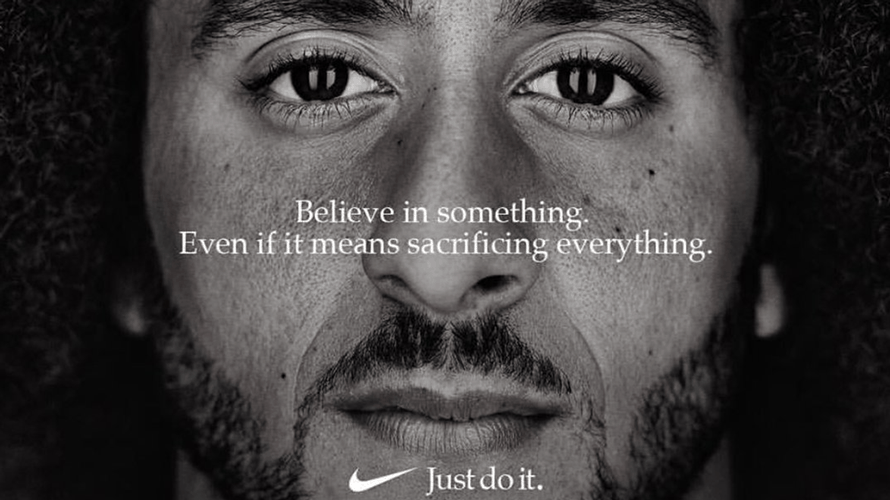
His NFL career effectively ended after the 2016 season, leading to a collusion claim against the league. Kaepernick and fellow plaintiff Eric Reid settled their dispute with the NFL for a combined sum of less than $10 million, with the exact division and specific terms remaining confidential under a nondisclosure agreement. Since becoming a free agent in early 2017, Kaepernick has received minimal interest from NFL teams, with only one team visit (Seattle Seahawks in 2017), one workout (Las Vegas Raiders in 2022), and zero contract offers.
Industry Impact
The cancellation highlights the challenges of producing content about controversial figures, even when all parties initially agree on the project’s value. The breakdown between Lee and Kaepernick, two figures known for their uncompromising artistic and political visions, suggests that creative differences over such charged subject matter can prove irreconcilable even among aligned ideological partners.
For ESPN, the decision to walk away from a major documentary project represents both a financial loss and a missed opportunity to explore one of the most significant sports-related social movements of the past decade. The network’s handling of the situation, emphasizing mutual respect and collaboration despite the ultimate failure, may influence how similar high-profile, politically sensitive projects are approached in the future.
Some Day, Maybe
With no further statements expected from any of the parties involved, the Colin Kaepernick docuseries joins the ranks of high-profile media projects that never reached their intended audience. Whether the story of Kaepernick’s activism will find another platform or filmmaker remains to be seen, but this particular collaboration between three major entertainment and sports entities has reached its definitive end.
The shelving of “Da Saga of Colin Kaepernick” leaves Kaepernick’s story in a familiar position—unfinished and waiting for the right platform. While this particular chapter has closed, the former quarterback’s influence on sports, activism, and American culture continues to demand documentation. Whether through another filmmaker’s lens or a different medium entirely, the story that Spike Lee and ESPN couldn’t bring to fruition will likely find its way to audiences eventually. Some stories, it seems, are too significant to remain untold forever.