
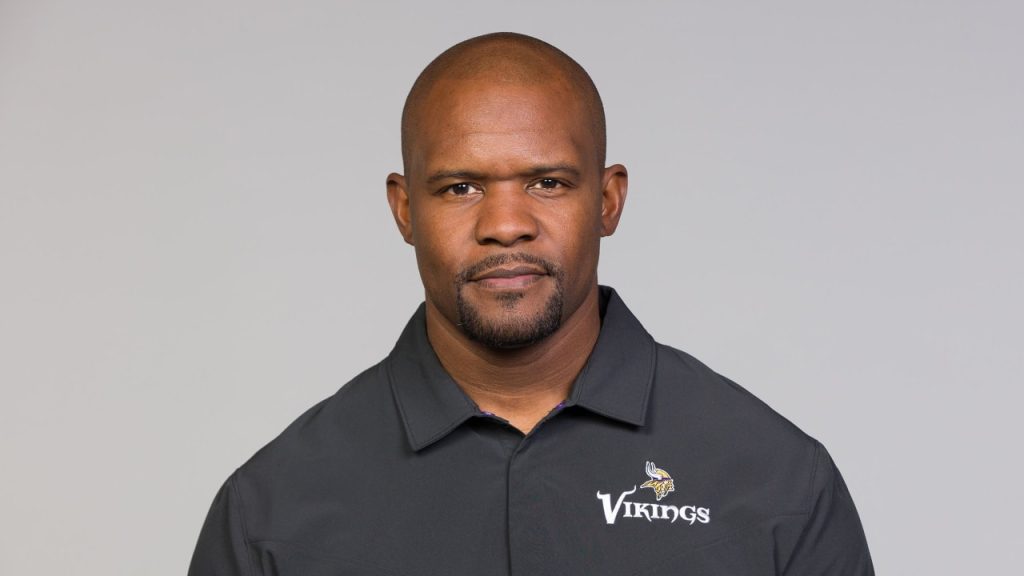
The US Court of Appeals for the Second Circuit delivered a major victory to former Miami Dolphins head coach Brian Flores on Thursday, ruling that his race discrimination claims against the National Football League will proceed in federal court rather than private arbitration.
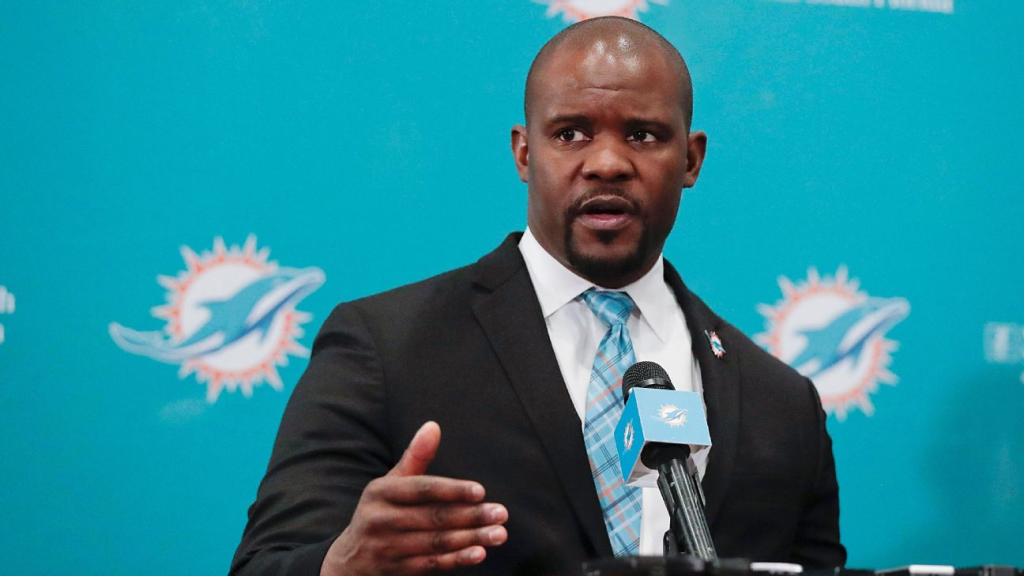
Court Rejects NFL’s “Fundamentally Biased” Arbitration System
Judge José A. Cabranes delivered a scathing assessment of the NFL’s arbitration process, calling it “fundamentally unlike any traditional arbitration provision” and ruling it unenforceable. The court found that the NFL’s arbitration system, which gives the commissioner “full authority and final jurisdiction” over disputes, fails to provide adequate dispute resolution.
“While we have long recognized the unique ‘informalities’ of arbitral procedures, the NFL Constitution’s arbitration provision fails to bear even a passing resemblance to ‘traditional arbitral practice,'” Cabranes wrote in the decision.
The judge went further, stating that the system “offends basic presumptions of our arbitration jurisprudence” by placing statutory discrimination claims under the “unilateral substantive and procedural discretion” of the NFL commissioner—essentially making the league judge of its own discrimination cases.
The Discrimination Claims
Flores, who is Black, sued the NFL along with the Miami Dolphins, New York Giants, Denver Broncos, and Houston Texans, alleging systematic discrimination against Black coaches in hiring and retention. He was joined by fellow Black coaches Steve Wilks and Ray Horton in the class-action lawsuit.
The “Sham Interview” Allegations
Central to Flores’ case is his claim that his 2019 interview with the Denver Broncos was a sham designed merely to satisfy the Rooney Rule—the NFL’s requirement that teams conduct at least two interviews with women or racial minorities for each open coaching position. The Giants and Texans also interviewed but did not hire Flores for head coaching positions.
Legal Victory Sets Precedent
During March oral arguments, Second Circuit judges expressed concern that forcing Flores into arbitration could set a dangerous precedent allowing employers to make company executives the arbitrators of employee discrimination claims.
The NFL had argued that even though Flores never signed contracts with teams that interviewed but didn’t hire him, he remained bound by arbitration agreements from his previous employment with the New England Patriots (2008-2018) and Pittsburgh Steelers (2022).
Judge Cabranes rejected this logic with a pointed analogy: “Neither a duel nor a game of ping pong is an arbitration, even if labeled as one. When statutory rights are at stake, such a vulnerability can turn fatal.”
Survey Data Supports Discrimination Claims
The case gains additional weight from stark findings in a 2022 NFL Players Association survey of coaches of color:
- 90% said the NFL and its owners do not follow federal anti-discrimination laws
- 90% believed race influences head coach hiring decisions
- 70% felt the league is unresponsive to equity and fair hiring concerns
- Over 50% said race affects the length of coaching contracts for minorities
Minimal Progress Despite Ongoing Concerns
Despite these systemic concerns, the overall percentage of coaches of color increased by just one percentage point to 44.3% in 2023, highlighting the slow pace of change in NFL hiring practices.
What’s Next
An NFL spokesperson said the league will be “seeking further review” of the court’s decision, suggesting a possible Supreme Court appeal. However, Flores’ attorneys from Wigdor LLP declared victory, stating the ruling “sends a clear message” that the NFL’s “fundamentally biased and unfair arbitration process” must end.
“This is a victory not only for NFL employees, but for workers across the country—and for anyone who believes in transparency, accountability and justice,” said attorneys Douglas Wigdor, David Gottlieb, and John Elefterakis.
The case now moves toward a public trial where the NFL’s hiring practices will face unprecedented scrutiny, potentially leading to significant reforms in how the league approaches diversity and minority coaching opportunities.
The case is Flores v. New York Football Giants, Inc., 2d Cir., No. 23-01185, decided August 14, 2025.