

Allyson Felix still deserves and apology from Nike.
When Allyson Felix publicly challenged Nike in 2019 over the company’s treatment of pregnant athletes, she ignited one of the most consequential athlete-rights conversations in modern sports business. Felix revealed that Nike sought to reduce her compensation by 70 percent after she became a mother, exposing a system in which female athletes were expected to shoulder the physical and professional realities of pregnancy without contractual protection. The backlash was immediate, forcing Nike to revise its maternity policies and guarantee pay and bonuses for women athletes around pregnancy. Yet even as those reforms reshaped industry standards, one thing has remained notably absent: a direct public apology to now Felix-Ferguson. Nike has acknowledged that it has “learned and grown,” but its messaging has centered on policy reform rather than owning the harm done to one of the most decorated athletes in track and field history.
That unresolved absence matters because Felix’s stand was never only about contract language; it was about recognition, accountability, and respect. By speaking out, Felix pushed not only Nike but the broader sports apparel industry toward maternal protections that now benefit countless women athletes, proving that her advocacy created systemic change far beyond her own experience. She has since moved on, building a new chapter with Athleta and launching her own brand, Saysh, framing the cultural progress for women athletes as the real victory. But Nike’s failure to publicly reckon with its treatment of Felix leaves an unfinished chapter in that story. The company embraced the reforms her courage demanded, yet stopped short of offering the personal accountability that would fully acknowledge the cost she bore to force that change.
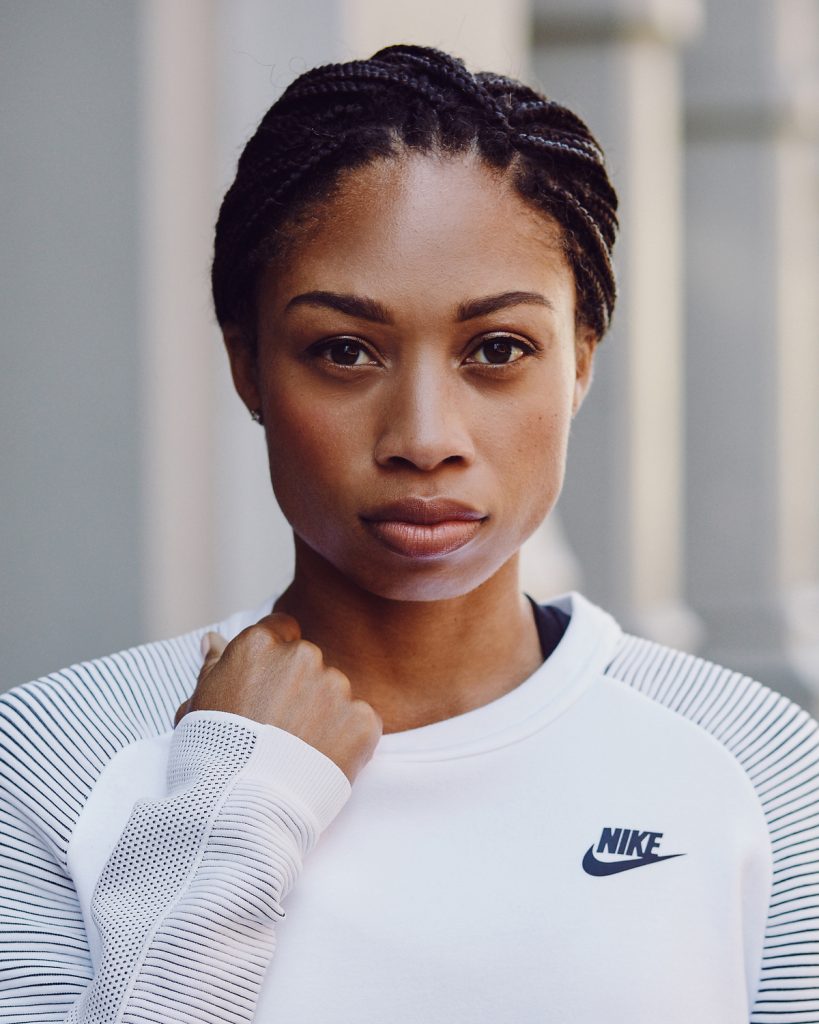

Allyson Felix remains one of the most accomplished track and field athletes in history, celebrated not only for her dominance on the track but also for her groundbreaking advocacy for women in sports. Over a career spanning nearly two decades, Felix became the most decorated American track athlete in Olympic history, winning 11 Olympic medals, including seven golds, across five Olympic Games. She also captured 20 World Championship gold medals, the most ever by any athlete in the competition’s history, excelling in the 200 meters, 400 meters, and multiple relay events. Beyond her achievements as a sprinter, Felix transformed the landscape for female athletes by publicly challenging maternity protections in sponsorship contracts, a stand that prompted major reforms across the sports apparel industry. Her legacy now extends far beyond medals, as she is widely recognized as both a generational champion and a powerful voice for equity and maternal rights in athletics.
As of April 2026, Track & field legend Allyson Felix has created a huge buzz announcing her intent to return from retirement with plans to target the 2028 Olympic Games in Los Angeles. Aiming to make her sixth Olympic team at age 42, she has dubbed the comeback “Project Six,” describing it as an exploration of “human potential.” Felix intends to resume competition in 2027 as she reunites with longtime coach Bobby Kersee. Her goal is to qualify for the 2028 Games in her hometown, which would mark her sixth Olympic appearance on the sport’s biggest stage. (Source: Time)