
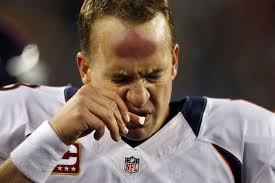
There are certain things that have been synonymous with football, right up there with touchdowns, tackles, and celebrations with the most ridiculous dances. The sound of the whistle. The crash of helmets. The smell of fresh-cut grass. And, until very recently, the unmistakable whiff of ammonia wafting through the air like some kind of ritualistic pre-game snort that’s as much a part of the game as any play in the playbook.
But now, in the most recent and somewhat startling development in the NFL’s ongoing relationship with player health and safety, the league has officially pulled the plug. For the 2025 season and beyond, smelling salts, the one-time sideline staple of every player looking for that burst of alertness, that jolt of energy, will no longer be a part of the game. The NFL has banned their use—whether pregame, in the middle of a game, during halftime, or even tucked away in the locker rooms.
This move is one that could leave some fans—especially those who grew up watching the game in the 80s and 90s—scratching their heads. To them, smelling salts were as much a part of football as anything else. I mean, it wasn’t just an aid to snap players to attention after a big hit or to mentally prep them for battle. It was part of the ritual. A player takes a hit, walks it off, takes a whiff of ammonia, and boom—back in the game. It was like an instant reset button for the mind.
For decades, from the grass-roots games played on city streets to the roar of stadiums on Sundays, the smell of ammonia in the air was a constant. At least since the 1970s and 80s, when players began to make a regular habit of inhaling those pungent fumes during moments of physical or mental fatigue. It became the secret weapon, the quick fix for a banged-up body, a dulled mind, or a lagging spirit. Something players could rely on when their body screamed “stop,” but the stakes kept demanding they push forward.
But just like the game itself, things have changed. The NFL, a league that has been under heavy scrutiny for years over its handling of player safety and head injuries, has drawn a line in the sand. Smelling salts, they’ve decided, no longer have a place in the game—at least not in the ways they’ve been used. The official explanation, in a statement released by the league, is rooted in player safety, citing the warning issued by the U.S. FDA back in 2024. The FDA had unequivocally noted that there was no solid evidence to suggest smelling salts actually improved mental performance or alertness. Worse yet, they warned that such inhalants could potentially mask symptoms of concussion or other neurologic issues, thus complicating the already murky waters of diagnosing head injuries during the heat of battle.
That’s where things get sticky. The NFL’s position is clear: it’s trying to create a safer environment for its athletes—particularly in a time when the link between concussions, brain trauma, and long-term health issues is more evident than ever. The risk, in their eyes, isn’t worth the reward.
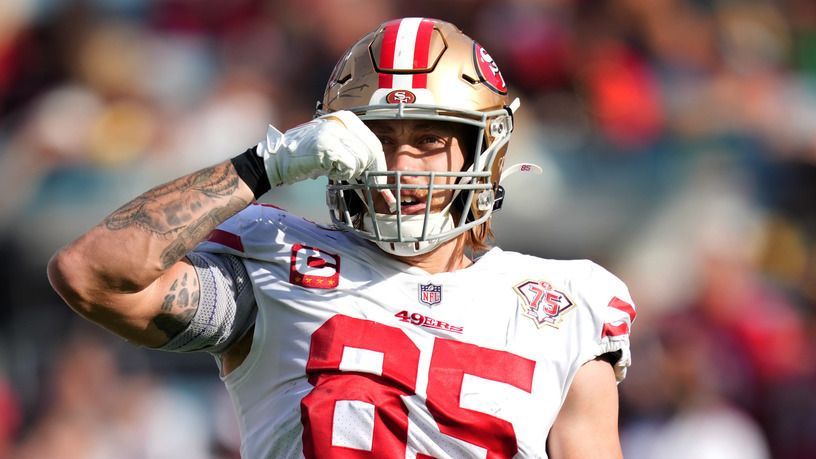
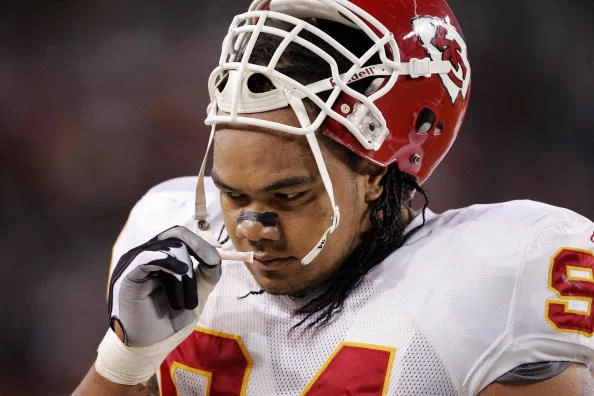
But, like everything in the NFL, it’s never as simple as a ban. The issue has sparked significant debate. The reality is that many players, like the 49ers’ George Kittle, are not happy about it. Kittle, in particular, has been vocal about the fact that smelling salts were a huge part of his routine and that they helped him mentally prepare for the physical and emotional demands of the game. To him, this ban feels like an assault on tradition, a denial of something that’s as much a part of the game’s culture as it is a practical tool.
And while it’s clear that teams can no longer provide smelling salts for players, here’s the interesting twist: individual players are not actually banned from using them themselves. The league has only prohibited team staff from distributing or supplying the ammonia inhalants. As it stands now, a player could theoretically bring their own smelling salts to the game and use them during breaks—though that could be subject to further negotiation with the NFL Players Association (NFLPA). So, the league has drawn the line at team involvement, but there’s no direct policing of personal use—yet.
What’s truly fascinating here is that the NFL’s ban brings us to the crux of a long-standing issue. For years, there’s been a tug-of-war between the league’s desire to protect players and the undeniable pull of football culture, tradition, and habits. There are certain things you just do to get yourself ready for a game. Some guys listen to music; others re-watch game film or tap into a mental routine. But for decades, a good whiff of ammonia was just a part of the program. But now, in 2025, that ritual is officially on the outs.
The league finds itself straddling a line. It’s been trying to balance the scales of safety and entertainment, growth and preservation. And in many ways, this is a step forward—another attempt to protect the long-term health of players who sacrifice their bodies and minds week in and week out. After all, we’re talking about the sport that has been in the crosshairs for decades due to its handling (or mishandling) of concussions, CTE, and the mental health of its players.
But here’s the question: What’s the cost? There’s always a price for change. When you strip away these rituals, these traditions, how much of the essence of the game is left intact? It’s not just about smelling salts. It’s about the gritty, unspoken rituals that make football more than just a game. It’s a battle of wills, of mind and body, a warrior’s spirit where every play and every second counts. And now, in the NFL’s bid to protect its players from the dangers of a head-on collision sport, we’re starting to see these traditions flicker out, one by one.
So, as we look ahead to the 2025 season, there will no longer be the unmistakable puff of ammonia piercing through the air before a player lumbers back onto the field, ready to take another hit for the team. The question is: Does this mark progress? Or are we watching the fading of a football culture that, for all its risks, has shaped some of the toughest athletes the world has ever seen?