NFL Quarterback Rankings: 2024 vs. 1992
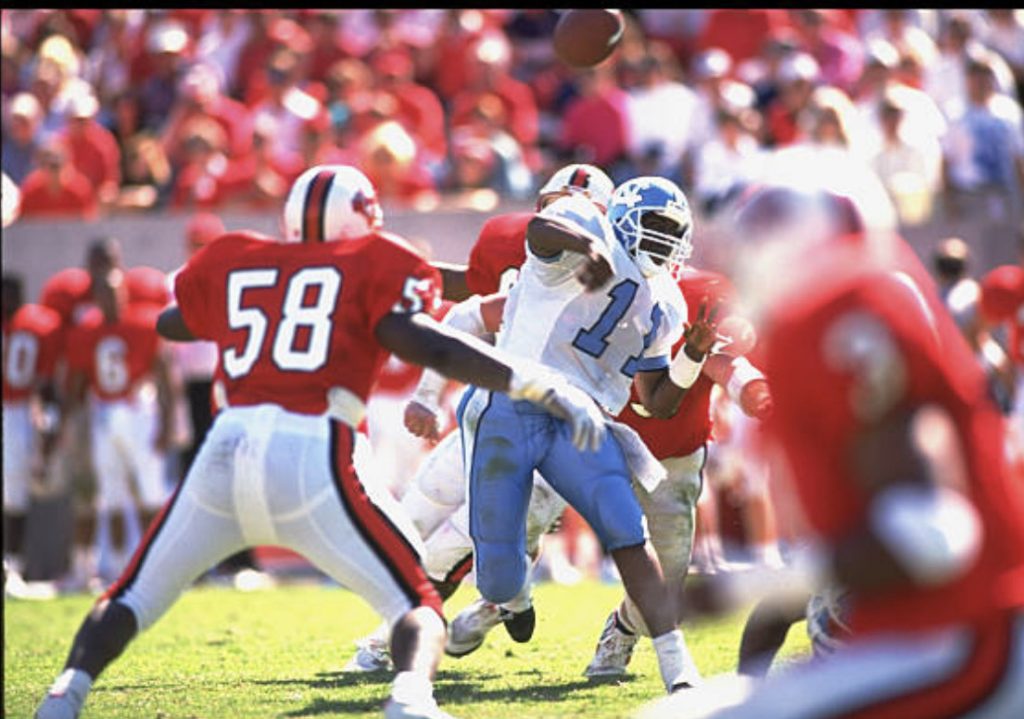
The NFL has seen incredible evolution in quarterback play over the years. Comparing the top quarterbacks from 1992 to 2024 reveals how the game has transformed, with changes in playing style, skill sets, and statistical achievements. Here’s a look at the top 10 quarterbacks from each year and how they reflect the evolution of the position.
Top 10 NFL Quarterbacks of 2024
- Patrick Mahomes – Kansas City Chiefs
- Known for his exceptional arm strength, mobility, and playmaking ability. Mahomes has consistently been a top performer and Super Bowl champion.
- Josh Allen – Buffalo Bills
- Renowned for his powerful arm, physicality, and dual-threat capabilities. Allen has made a significant impact with his ability to both pass and run.
- Joe Burrow – Cincinnati Bengals
- Burrow has emerged as a top-tier quarterback with excellent accuracy, decision-making, and leadership qualities.
- Jalen Hurts – Philadelphia Eagles
- Hurts has made a name for himself with his dynamic running ability, accuracy, and improved passing skills.
- Aaron Rodgers – New York Jets
- Although not with the Packers anymore, Rodgers remains one of the most skilled and experienced quarterbacks in the league.
- Justin Herbert – Los Angeles Chargers
- Known for his strong arm and impressive accuracy, Herbert is a rising star with significant potential.
- Lamar Jackson – Baltimore Ravens
- Jackson’s unique play style combines differentiated speed, exceptional running ability with improved passing, making him a dual-threat quarterback.
- Tua Tagovailoa – Miami Dolphins
- Tagovailoa has shown accuracy and efficiency, leading a potent offense with his precision passing.
- Deshaun Watson – Cleveland Browns
- Despite recent controversies, Watson’s talent as a playmaker and passer remains undeniable.
- Dak Prescott – Dallas Cowboys
- Prescott combines strong leadership with solid passing and decision-making abilities.
Top 10 NFL Quarterbacks of 1992
- Joe Montana – San Francisco 49ers
- Known for his exceptional poise, accuracy, and clutch performances, Montana was still a dominant force in 1992 before his retirement.
- John Elway – Denver Broncos
- Elway’s strong arm, mobility, and playmaking ability made him one of the most formidable quarterbacks of his era.
- Brett Favre – Green Bay Packers
- Favre’s gunslinger mentality, arm strength, and durability began to shine, marking the start of his Hall of Fame career.
- Steve Young – San Francisco 49ers
- Young was a dual-threat quarterback known for his passing accuracy and rushing ability, stepping into a leadership role with the 49ers.
- Troy Aikman – Dallas Cowboys
- Aikman was a key figure in the Cowboys’ success, known for his accuracy, decision-making, and leadership on the field.
- Dan Marino – Miami Dolphins
- Marino was one of the most prolific passers in NFL history, known for his quick release and powerful arm.
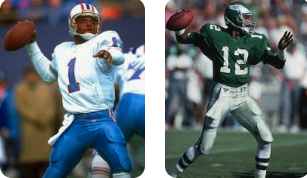
- Warren Moon – Houston Oilers
- Moon was known for his impressive passing numbers and ability to lead high-scoring offenses.
- Mark Rypien – Washington Football Team
- Rypien had a strong arm and led the Washington Football Team to a Super Bowl victory in the 1991 season.
- Jim Kelly – Buffalo Bills
- Kelly was known for his precision passing and leadership, leading the Bills to four consecutive Super Bowl appearances.
- Rich Gannon – Kansas City Chiefs
- Gannon was an effective quarterback with a strong arm and good decision-making abilities.
Comparison and Evolution
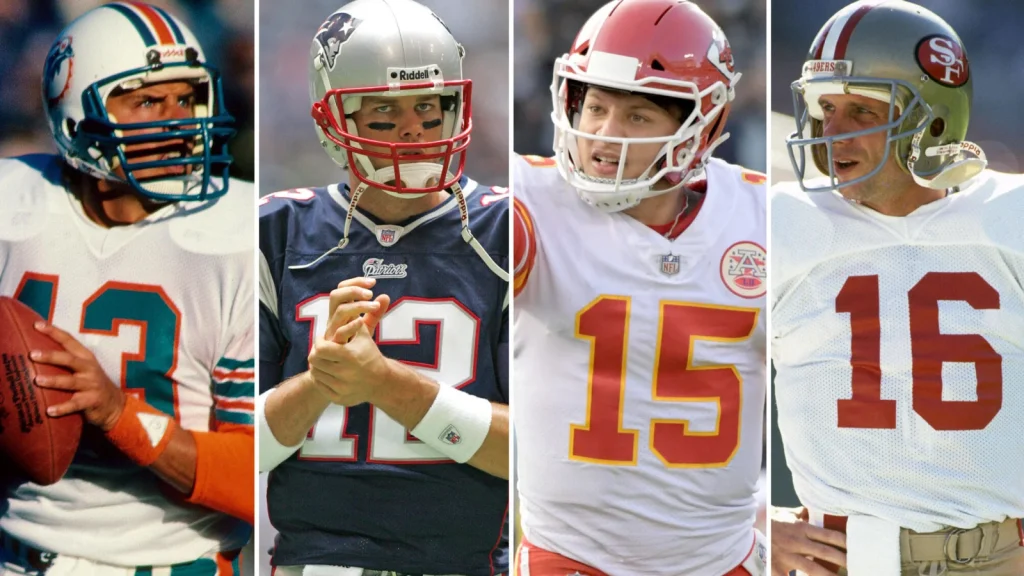
The comparison between the top quarterbacks of 1992 and 2024 highlights the evolution of the NFL quarterback position:
- Playing Style: Quarterbacks in 1992 were often pocket passers with a focus on accuracy and arm strength, while today’s top quarterbacks are more likely to be dual-threats who combine passing with significant rushing ability.
- Statistical Achievements: Modern quarterbacks benefit from advancements in offensive schemes and rule changes that favor passing, leading to higher statistical outputs compared to the early ’90s.
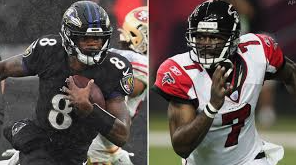
- Athleticism and Mobility: There is a notable increase in the emphasis on athleticism and mobility, with contemporary quarterbacks like Patrick Mahomes and Lamar Jackson utilizing their legs as effectively as their arms.
The progression in quarterback play reflects broader changes in the NFL, including advancements in coaching strategies, training, and the overall evolution of the game. Both eras feature legendary players who have left an indelible mark on the sport, showcasing the enduring appeal and development of the quarterback position.
The Legacy of 1992 Quarterbacks: A Benchmark of Achievements and Impact
The quarterbacks of 1992 played in a vastly different NFL landscape compared to today. Their achievements not only set high standards but also defined what it meant to be a top quarterback in that era. Here’s a closer look at why the accomplishments of 1992’s quarterbacks stand out and how they compare to recent talent.
The Era of 1992: Achievements and Context
- Joe Montana – In 1992, Joe Montana was nearing the end of his illustrious career, but his legacy was firmly established. As a four-time Super Bowl champion, Montana’s poise, accuracy, and leadership were unparalleled. His ability to perform in clutch situations and his mastery of the West Coast offense made him a benchmark for future quarterbacks.
- John Elway – Elway’s achievements in 1992 included his incredible athleticism and arm strength, which redefined the quarterback position. Known for leading his team with comebacks and high-pressure performances, Elway’s impact was felt through his ability to elevate his team’s performance and his role as a dual-threat quarterback.
- Brett Favre – Favre was beginning to make his mark in the NFL in 1992. His fearless approach, durability, and strong arm set the stage for his later achievements. Favre’s ability to play through injuries and his record-setting performances in the following years were emblematic of his era.
- Steve Young – As a dual-threat quarterback, Young excelled in both passing and rushing. His efficiency, mobility, and effectiveness in the West Coast offense contributed to his Super Bowl MVP performance and his status as one of the game’s elite quarterbacks.
- Troy Aikman – Aikman’s precise passing and leadership were pivotal in the Cowboys’ Super Bowl victories. His success during the early ’90s not only demonstrated his skill but also highlighted his role in building the Cowboys’ dynasty.
- Dan Marino – Marino’s prolific passing numbers and quick release established him as one of the greatest pure passers of all time. His ability to throw for record-breaking yardage and touchdowns made him a standout in a different era of football.
- Warren Moon – Moon’s success in the CFL before his NFL career and his subsequent performance with the Houston Oilers showcased his remarkable passing ability and adaptability. His numbers during his peak years remain impressive.
- Mark Rypien – Rypien’s Super Bowl MVP performance and the Washington Football Team’s victory in Super Bowl XXVI were significant achievements. His leadership and clutch play were key to his team’s success.
- Jim Kelly – Kelly’s consistent performance and leadership led the Buffalo Bills to four consecutive Super Bowls, a remarkable achievement that underscored his impact on the game and his resilience.
- Rich Gannon – Gannon was a dependable quarterback known for his strong arm and decision-making. His effectiveness during his peak years showcased his value as a top-tier quarterback.
OPINION: Why 1992’s Achievements Stand Out
Tougher Conditions: Quarterbacks in 1992 played in a more physically demanding environment. The game was more focused on running and defense, and passing was less emphasized compared to today, There were exceptions during the earlier 70s and 80s decades where Don Shula and Don “Air Coryell” were known for pioneering offensive systems that transformed NFL offenses and is widely regarded as a major influence on modern passing games. This makes the era of 1992 QBs and their achievements, particularly in terms of passing yards and touchdowns, more impressive given the context.
Greater Physicality: The rules were more lenient on defensive players, making it more difficult for quarterbacks to perform consistently. The protection given to quarterbacks was not as extensive as it is today, meaning that their accomplishments came under tougher conditions.
Limited Passing Schemes: Offensive schemes were less advanced, and the emphasis on passing was not as pronounced. Quarterbacks had fewer tools and less protection compared to modern schemes that favor high-octane passing games. There was the West Coast Offense (WCO), pioneered by Bill Walsh, is renowned for its strategic use of precise, quick passes and creative route combinations designed to exploit defensive weaknesses. Key routes in the WCO include the Slant, which creates quick completions and yards after the catch; the Curl, which allows the receiver to return to the quarterback; the Out and In Routes, which provide reliable sideline and middle field options; the Flat Route, ideal for short, safe throws; and the Wheel Route, which targets mismatches and potential big plays. Other signature routes include the Post and Deep Cross, designed for deep gains and exploiting defensive coverage. The system emphasizes timing, precision, and maximizing yards after the catch, transforming how offenses attack defenses with a focus on short, effective passes and strategic route running.
Enduring Legacy: Many quarterbacks from 1992 set records and achieved milestones that have had lasting impacts on the game. Their achievements helped shape the expectations and standards for future generations of quarterbacks.
Comparing to Recent Talent
While recent quarterbacks have certainly achieved their own impressive feats, such as breaking numerous passing records and winning multiple MVP awards, they often benefit from a game that emphasizes passing more heavily, with advanced offensive schemes and better protection. The modern game has evolved to favor high-scoring, pass-heavy offenses, which influences how quarterback success is measured.
Recent Achievements: Modern quarterbacks like Patrick Mahomes, Lamar Jackson, and Josh Allen have excelled in an era of increased passing efficiency, being multiple, and leveraging advanced technology. Their achievements are remarkable, but they operate in a different context compared to their 1992 predecessors. The game’s evolution has led to higher statistical outputs, making comparisons between eras complex.
Closing the position statement
The quarterbacks of 1992 achieved their successes under conditions that demanded greater resilience and skill given the era’s physical and strategic constraints. Their legacies are a testament to their extraordinary abilities and their influence on the evolution of the quarterback position. As the NFL continues to evolve, the achievements of past legends provide valuable context and highlight the enduring excellence of the game’s greatest players.
The Packed House Sports Take
Appreciating both eras of quarterbacks allows us to highlight the evolution and beauty of the great game of football, celebrating how each generation has contributed uniquely to the game. Quarterbacks from past eras, such as those from 1992, played under conditions that demanded resilience, adaptability, and skill with fewer protections and less emphasis on passing strategies. Their achievements, marked by physical toughness and strategic innovation, set high standards and defined excellence in their time.
In contrast, modern quarterbacks operate in an evolved game, benefiting from advanced offensive schemes, better protection, and an emphasis on passing efficiency. They showcase remarkable talent and adaptability, pushing the boundaries of what’s possible in today’s high-scoring, pass-oriented environment.
All eras, including both of the mentioned, contribute to the game’s richness: past quarterbacks established foundational standards and traditions, while contemporary players build upon and expand these legacies with new innovations. Each generation offers its own set of challenges and triumphs, enriching the sport and providing fans with diverse and thrilling football experiences. By appreciating these different periods, we honor the ongoing evolution of the game and celebrate the unique gifts and standards set by each era’s quarterbacks, reflecting the game’s enduring beauty and the joy it brings to fans.