
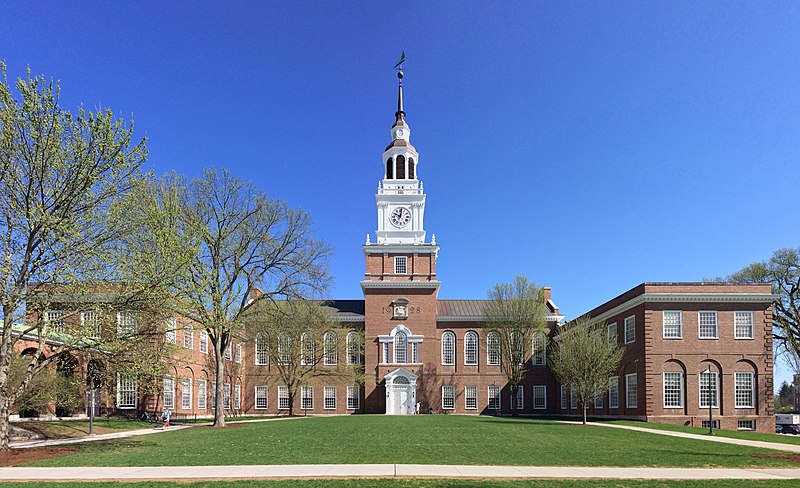
In a pioneering decision poised to transform collegiate athletics, Dartmouth College’s men’s basketball team has made a bold move by filing a charge with the National Labor Relations Board (NLRB) against the institution. This legal step is a direct reaction to Dartmouth’s refusal to negotiate union
The Charge and Its Implications
The players’ charge to the NLRB signals a critical juncture in the ongoing debate over the rights of collegiate athletes. By seeking union representation, Dartmouth’s basketball players are not merely challenging the administration’s policies but are also pushing for a broader recognition of their labor rights within the NCAA framework.
The NLRB, an independent federal agency responsible for enforcing U.S. labor laws, now faces a pivotal decision that could have far-reaching consequences. If the board rules in favor of the players, it would set a precedent that could potentially empower athletes across the country to seek similar representation and negotiate terms that could fundamentally alter the dynamics between student-athletes and their institutions.
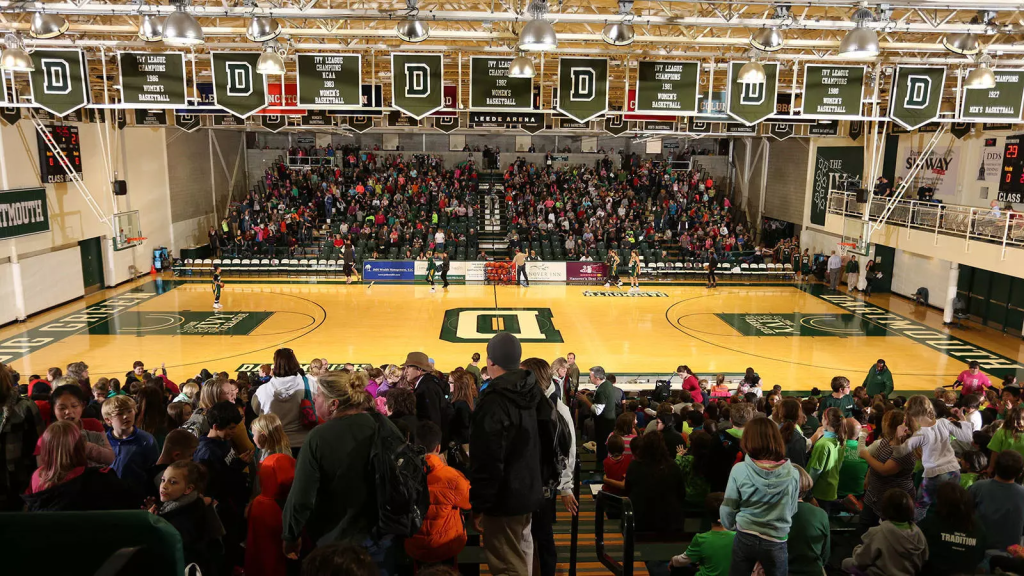
Why Dartmouth players feel empowered
The Dartmouth basketball players’ move to file a charge with the National Labor Relations Board (NLRB) over the school’s refusal to bargain is grounded in the 2015 NLRB ruling in the Northwestern University case. In that instance, the NLRB’s regional director determined that scholarship football players at Northwestern were employees under the National Labor Relations Act (NLRA), granting them the right to unionize. While the NLRB did not establish a national precedent by choosing not to assert jurisdiction, the ruling set a significant legal benchmark, indicating that collegiate athletes could be considered employees with the right to unionize.
On March 5, 2024, the Dartmouth men’s basketball team made history by voting 13-2 to join SEIU Local 560, becoming the first college sports team to unionize. This landmark decision followed a ruling by a regional director of the National Labor Relations Board (NLRB) in February, which recognized the players as employees of the school, allowing them to hold a representation election. This unionization effort has sparked discussions about the future of college sports, particularly regarding the classification of college athletes as employees and potential responses from institutions in the event of a strike.
Dartmouth’s athletes are leveraging this precedent to advocate for their right to union representation and collective bargaining. A favorable NLRB ruling could drastically change collegiate athletics, enabling student-athletes nationwide to pursue similar rights and negotiate improved conditions. This case underscores a rising movement to rebalance power in college sports and champion fair treatment for student-athletes.
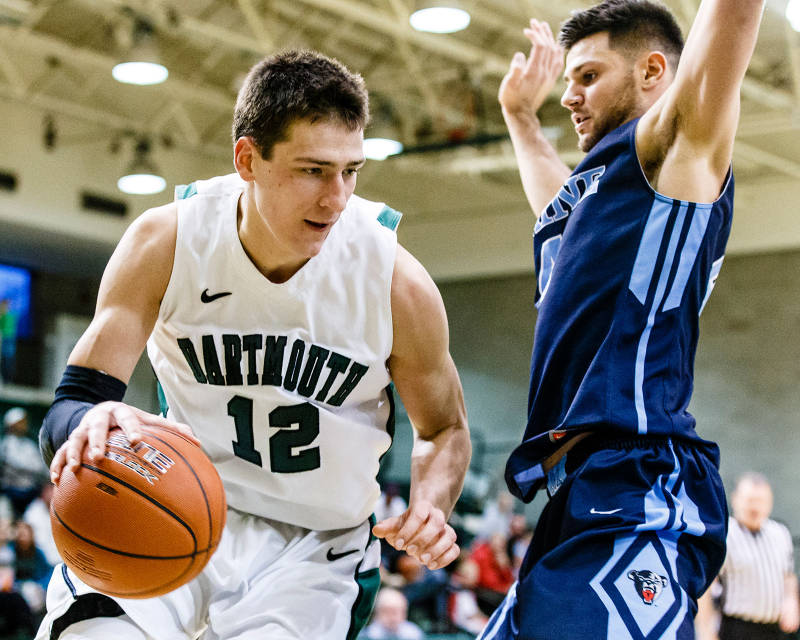
Dartmouth’s Legal Response and Its Potential Impact
In response to the charge, Dartmouth College has signaled its intent to contest the decision vigorously. The institution’s strategy involves deploying all available legal mechanisms to resist the unionization effort. This confrontation underscores a broader reluctance among many schools to relinquish control over their athletic programs, driven by concerns over financial and operational autonomy.
The battle at Dartmouth is emblematic of a larger struggle within collegiate sports, where the balance of power between institutions and athletes is increasingly under scrutiny. If Dartmouth’s efforts to block unionization are successful, it may reinforce the status quo, where athletes remain largely powerless in negotiating their conditions of participation and compensation.
Should the NLRB side with the players, it may spark a surge of similar initiatives throughout the NCAA, potentially transforming the management of athletic programs and the treatment of student-athletes. This shift could grant players increased bargaining power over scholarships, training conditions, and revenue-sharing models, addressing long-standing contentious issues in collegiate sports.
Legal Protections and Unionization
The legal landscape of this issue is intricate, encompassing labor laws and collegiate sports regulations. The National Labor Relations Act (NLRA) safeguards workers’ rights to organize and engage in collective bargaining. Nevertheless, student-athletes have traditionally been classified differently from regular employees, hindering their efforts to form unions.
The NLRB’s decision will hinge on whether student-athletes at Dartmouth are considered employees under the NLRA. If the board determines that they are, it would affirm their right to unionize and negotiate collectively, thereby contesting the NCAA’s long-standing position on amateurism and athlete compensation.
Legal experts suggest that the outcome of this case could prompt a reevaluation of the classification of student-athletes nationwide. A victory for the players may result in a comprehensive overhaul of college sports policies, significantly impacting athlete treatment and compensation.
Broader Implications for College Sports
The Dartmouth case transcends a mere legal conflict; it symbolizes a wider movement advocating for student-athlete rights. The verdict could trigger significant changes in collegiate sports, prompting other institutions to reassess their policies and practices.
This case highlights the growing conflict between colleges’ financial interests and the well-being of their athletes. As revenue from college sports soars, the disparity between earnings and athlete support is increasingly scrutinized. The push for unionization reflects a demand for greater fairness and transparency in collegiate sports operations.
The Dartmouth basketball players’ action against their institution marks a significant turning point in college athletics. The NLRB’s decision will influence the future of these athletes and could redefine the relationship between student-athletes and their schools. As the legal and administrative processes progress, this case might set a landmark precedent for the treatment and rights of collegiate athletes across the nation.
Title Photo Credit: Gunnar Klack – Baker Library, Dartmouth